
5 Non-Invasive Ways to Use Vagus Nerve Neuromodulation for Peace
If the Vagus nerve is the "information superhighway" of your parasympathetic nervous system, then neuromodulation is the set of tools we use to clear the traffic. You don't need surgery to start optimizing your stress response.
The ear is one of the few places where a branch of the vagus nerve (the auricular branch) surfaces close to the skin. Modern tVNS wearables use small electrodes—often disguised as earbuds—to send low-level electrical signals directly to the brainstem.
Splashing ice-cold water on your face or taking a cold shower triggers the mammalian dive reflex. This causes an immediate drop in heart rate and activates the vagus nerve to conserve energy and oxygen.
Breathing at a rate of roughly 5.5 to 6 breaths per minute synchronizes your heart rate, blood pressure, and brainwaves. This "resonance" is detected by baroreceptors that send a high-priority signal up the vagus nerve to the brain, signaling safety.
The vagus nerve is connected to the muscles of the throat and the inner ear. Hum, chant, or use bone-conduction headphones that vibrate at frequencies between 40Hz and 100Hz. These physical vibrations physically stimulate the nerve fibers.
Gentle pressure on the carotid sinus (the area on the side of the neck where the pulse is felt) can stimulate vagal activity. However, in the tech-wellness space, we now use handheld vibrating devices designed specifically to target this area with precision haptics.
Mastering the Dial
Peace is not the absence of stress; it is the presence of resilience. By incorporating these five methods, you are training your nervous system to return to a state of calm more rapidly. In the age of AI and constant noise, your vagus nerve is your most important piece of hardware.
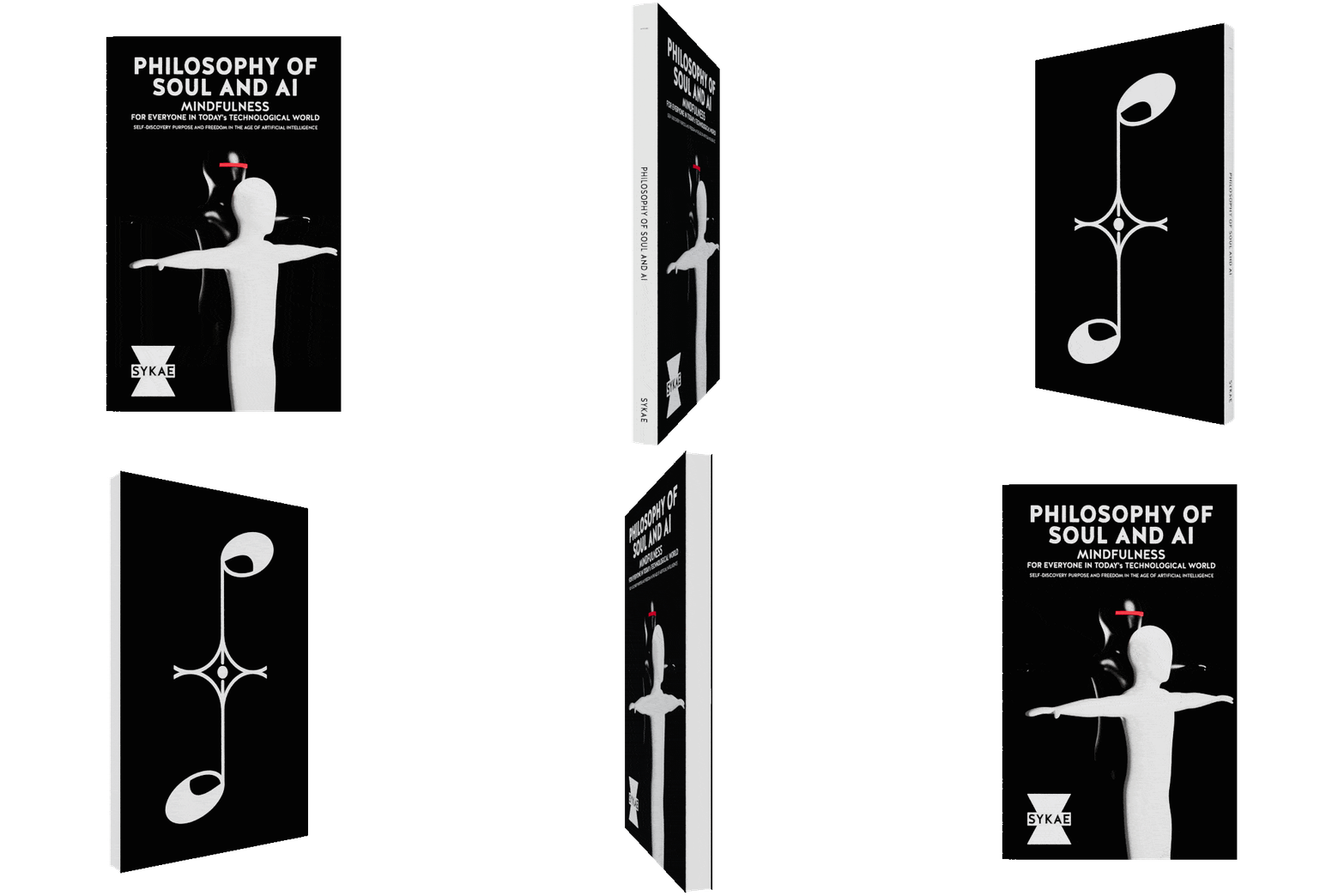
Deepen Your Connection
The nervous system is the bridge between the biology of the body and the philosophy of the soul. Find out where we go from here.
Get the Philosophy